
Why Coaching Matters
Almost every respected actor can point to the class, the teacher, or the moment someone took them seriously. Here's why that moment matters, and how to find yours.
Live coaching on Zoom with professional coaches. Train from anywhere, then step in front of agents at our showcase.
Talent gets you noticed. Coaching is what lets it hold up.
Why talented people still get stuck
Talent is real. But talent without direction tends to stall in the same places.
Nerves take over. You know you can do it in your bedroom. In a room full of strangers, it disappears.
No one gives honest feedback. Friends and family say "you're great." That feels good, but it doesn't make you better.
The industry is confusing. Headshots, auditions, self-tapes, agents, scams. Without guidance, it's hard to know what's real and what to do first.
Time slips by. "Someday" turns into another year of wondering what could have happened.
Coaching doesn't replace talent. It gives talent somewhere to go.
Before the awards, there was a class.
Some of the most respected actors working today trace their start back to one teacher, one class, or one person who saw something in them. Then the work began.
Different backgrounds. Different ages. The same turning point: someone qualified took them seriously, and they did the work.
Al Pacino
He grew up poor in the Bronx. His junior high acting teacher walked up six flights of stairs to tell his grandmother he needed to keep acting. Later, he couldn't afford classes at New York's HB Studio, so he cleaned the hallways in exchange for lessons. "The craft of acting, I always felt came from doing."
Bryan Cranston
He was a police science major who took an acting class just for fun, then switched his major. He decided to become an actor at 22, and built his career through years of steady, unglamorous work.
Viola Davis
At 14, she joined an acting class where the coach was blunt: this takes hard work every day, and rejection is part of it. One by one, every hand in the room went down except hers. That class showed her the dream was bigger than the fear.
Morgan Freeman
He grew up in Mississippi with a higher voice and a thick Southern accent. In evening acting classes at Los Angeles City College, a voice instructor rebuilt it from the ground up. Asked whether that famous voice was always his: "No, heavens, no."
Jon Bernthal
He signed up for an acting class mostly to meet a requirement. He was a kid in and out of trouble. He says the teacher he found there "really saved my life."
Hugh Jackman
He took his first drama class in his last semester of college, just to pick up credits. Later, on the same day, he was offered a spot in drama school and a role on a popular TV soap. He chose the training. He has said that when he started, he was "like the dunce of the class."
These performers are not affiliated with National Performers Academy and have not endorsed it. Their stories are drawn from published interviews and are shared for educational purposes.
What changes when you train with professionals
How to break down a scene, learn lines fast, and walk in ready.
Preparation.
1
How to hear a note and adjust on the spot. Casting watches for this.
Taking direction.
2
Performing in front of people until nerves stop running the show.
Confidence under pressure.
3
Presence.
4
How to walk into a room, slate, and present yourself professionally.
Industry knowledge.
5
How auditions, headshots, self-tapes, and representation actually work, and how to spot what isn't legitimate.
Honest feedback.
6
Specific notes from people who know what to look for, not just encouragement.
None of this is about luck. It's skill, and skill can be taught.
Is this the right time? It depends on where you are.
For parents of young performers (6–12)
You don't need to know yet whether your child is "talented enough." Coaching is how you find out responsibly. Kids build confidence, learn to speak in front of others, and get honest, age-appropriate guidance from professionals. You get a clear picture instead of guesswork.
For adults (25–35)
Bryan Cranston didn't decide to act until 22. Plenty of working actors started later than that. If you've been carrying this dream for years, coaching is how you stop wondering and find out what you can do.
For young adults (18–24)
You don't have to move to LA to start. NPA coaching happens live on Zoom, wherever you live. You need a foundation, real feedback, and a clear picture of how the industry works. Training gives you all three, so your next step is a decision instead of a guess.
For teens (13–17)
If you're serious, this is when the habits form. Training now means you learn to prepare, take direction, and handle auditions before the stakes get higher. For parents: you'll see exactly what your teen is learning and whether their commitment is real.
What happened when our students took their first step
You've seen where well-known actors started. Here's what coaching has looked like for NPA students and families.
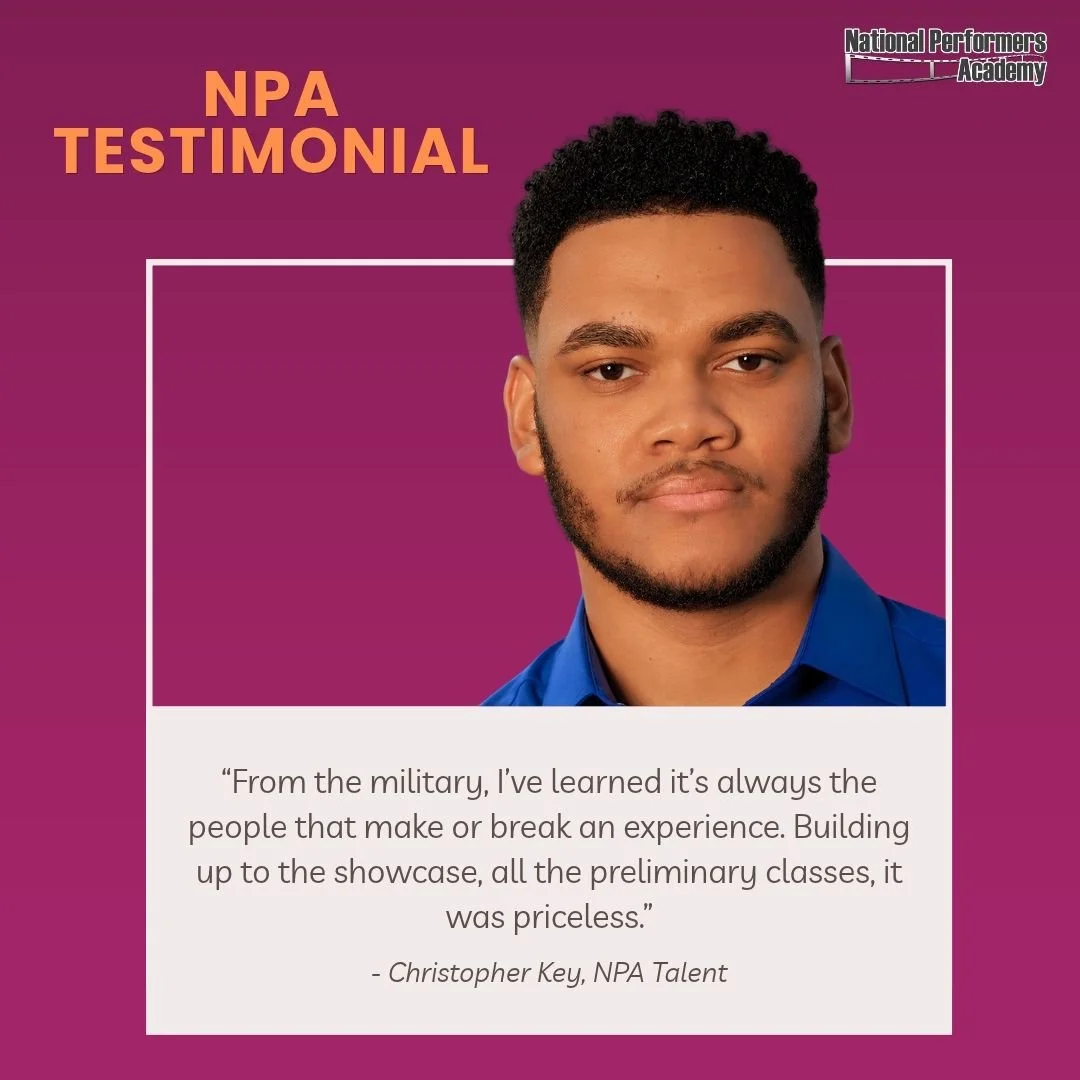
Content needed from NPA (real, verified, with written permission):
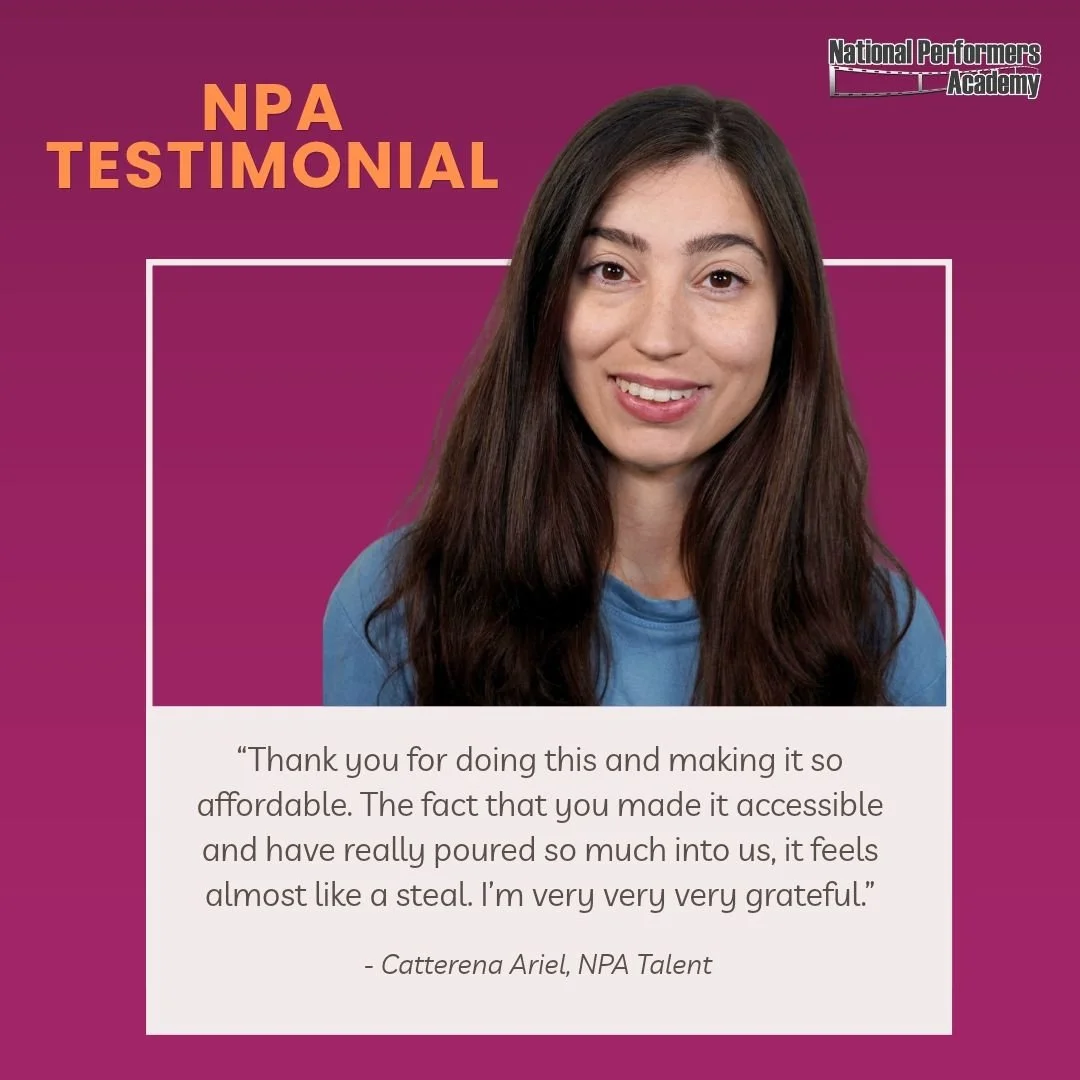
2–3 student testimonials, ideally one per age group
1–2 parent testimonials that speak to legitimacy, safety, and growth in confidence
One before-and-after story: where the student started, what changed, what they're doing now
Short instructor credentials: years of experience and real industry work
Rule: use stories about growth (confidence, skills, first bookings) and label any standout result as an individual outcome, not a typical one.
The coaches behind the training
Diana Horner
Co-Founder · Program Developer
Diana built the training system NPA uses, drawing on nearly 50 years of coaching and 30 years as a talent agent and co-manager. She leads the masterclass that opens every Acting 101 class.
Cat Hammons
[NPA role]
TV credits include Yellowstone, The Big Bang Theory, How to Get Away with Murder, and Scandal. Cat has 30+ years of acting, writing, and producing experience, and she knows exactly what casting looks for in your first professional roles.
Savannah Lee Nassif
Acting 101 Coach
Actress in Paramount's Scary Movie (2026), Netflix's Julie and the Phantoms, and two seasons as a series regular on Nickelodeon's Knight Squad. Savannah started in youth theater at 11. She coaches audition prep and booking the room.
Britt George
Role: [NPA role]
Actor, producer, and director with 25+ years of credits, including True Blood, Dexter, and Tyler Perry's Too Close to Home. Britt teaches actors to make bold choices and to understand the camera, the edit, and the business.
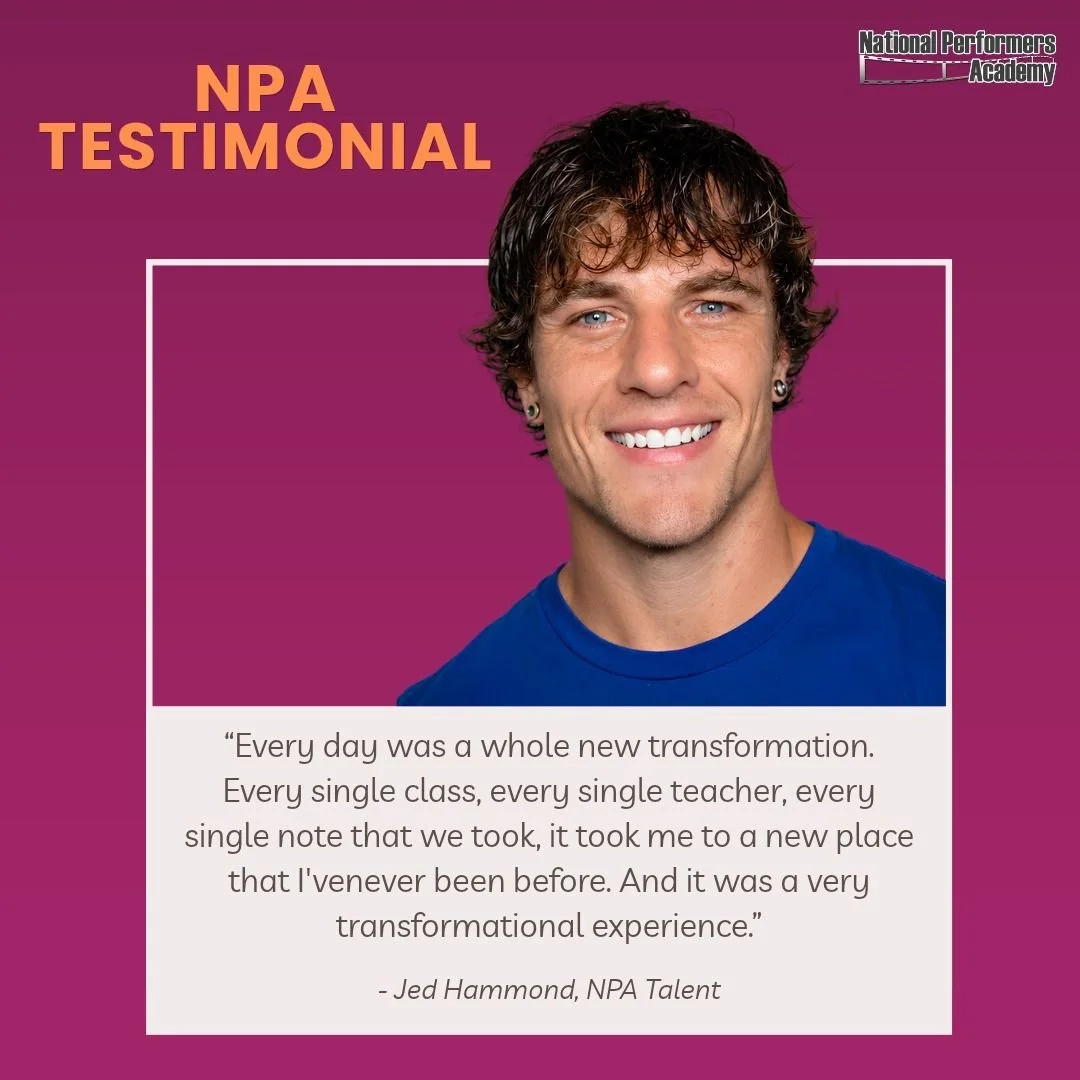
Andrea Geones
Acting 101 Coach
Voice of Bridget, the baby alien on Resident Alien (Netflix, Syfy, USA). Andrea is a working LA actor of 15+ years and a national-tour musical performer. She teaches a technique built to hold up under pressure.
At the Showcase level, students train with working casting directors whose credits include Disney, Selma, and A Wrinkle in Time.
What we promise, and what we don't
No legitimate program can promise fame, an agent, or bookings. Anyone who does should make you cautious.
What we can promise: professional coaching, honest feedback, a clear understanding of how this industry works, and the chance to perform for agents at the end of your program. What you build with it is up to you.
How it works

Audition.
You perform, and our team gives you honest feedback on where you are and where you could go.

Train live on Zoom.
Live coaching with professionals, from home, wherever you live. No move to LA, no long commute. You still get real-time direction, notes, and scene work.

Prepare for the room.
Coaching builds toward one goal: presenting yourself professionally in front of people who make industry decisions.

Perform at the showcase.
You finish in a small showcase in front of talent agents. Small means you're seen, not lost in a crowd.
Many aspiring actors spend years trying to get in front of an agent. Our students walk in prepared.
Find out what a professional sees in you.
Your audition is where it starts. You'll perform, get real feedback from our team, and learn whether NPA is the right next step for you or your child. There's no obligation to enroll.
Spots are limited each season.